
THE FUTURE IS NOW
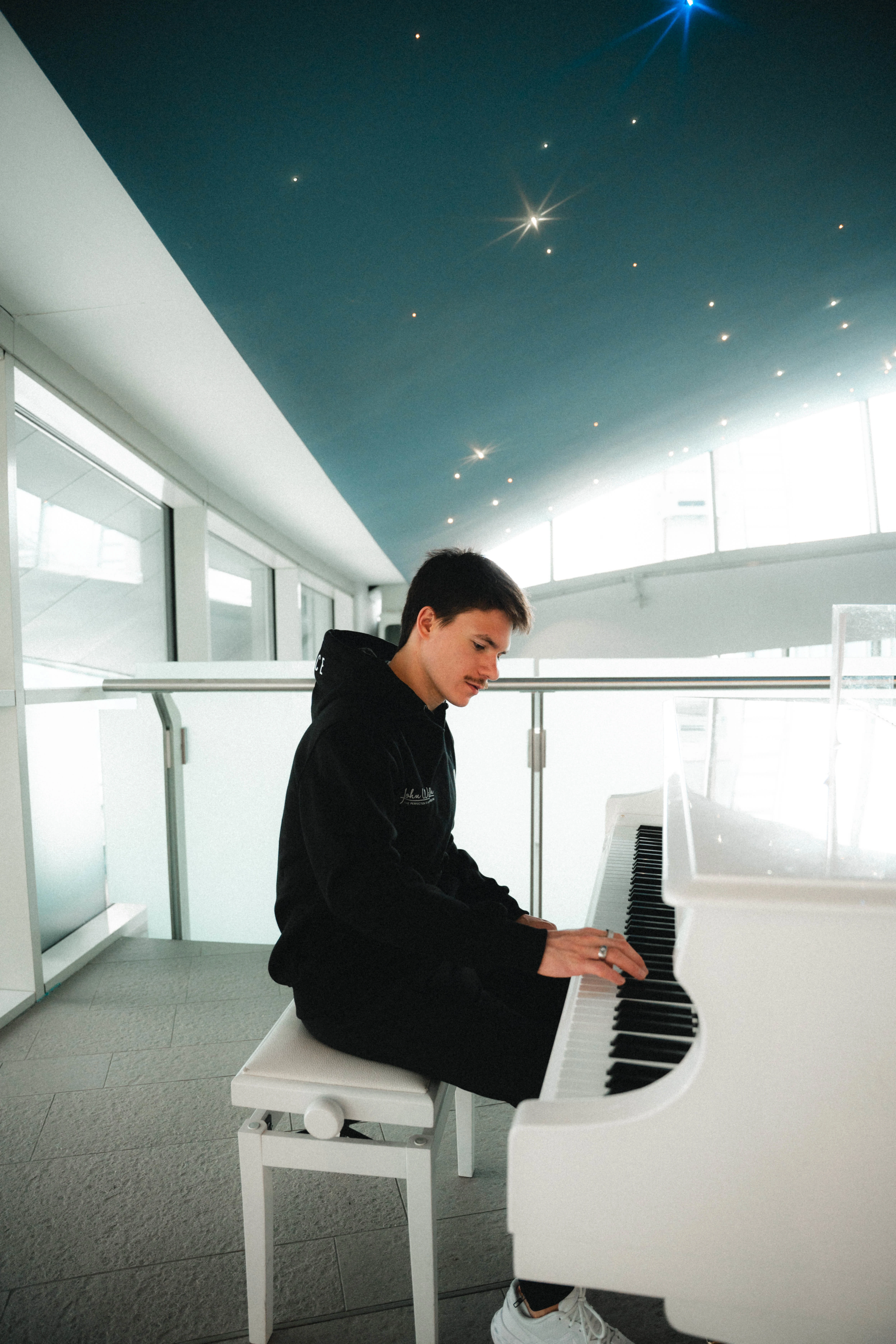
RESILIENCE
My life changed forever on January 29, 2025. My parents, Evgenia “Zhenya” Shishkova and Vadim Naumov — both World Champion figure skaters and my greatest supporters — were among the 67 people killed when AA Flight 5342 collided with a helicopter over the Potomac River. They had just coached and cheered me at the 2025 U.S. Championships. I had left Wichita two days earlier, but they were on that flight headed home. They weren't just champions. They were my coaches, my biggest fans, and the people who taught me to fall and get back up — again and again. Their loss was sudden, devastating, and life-changing. In the face of grief, I learned that strength is never just about physical ability — it's about our capacity to feel, to struggle, and to keep moving forward. It's in those moments that mental resilience becomes real. It's not the absence of pain — it's the willingness to show up anyway.
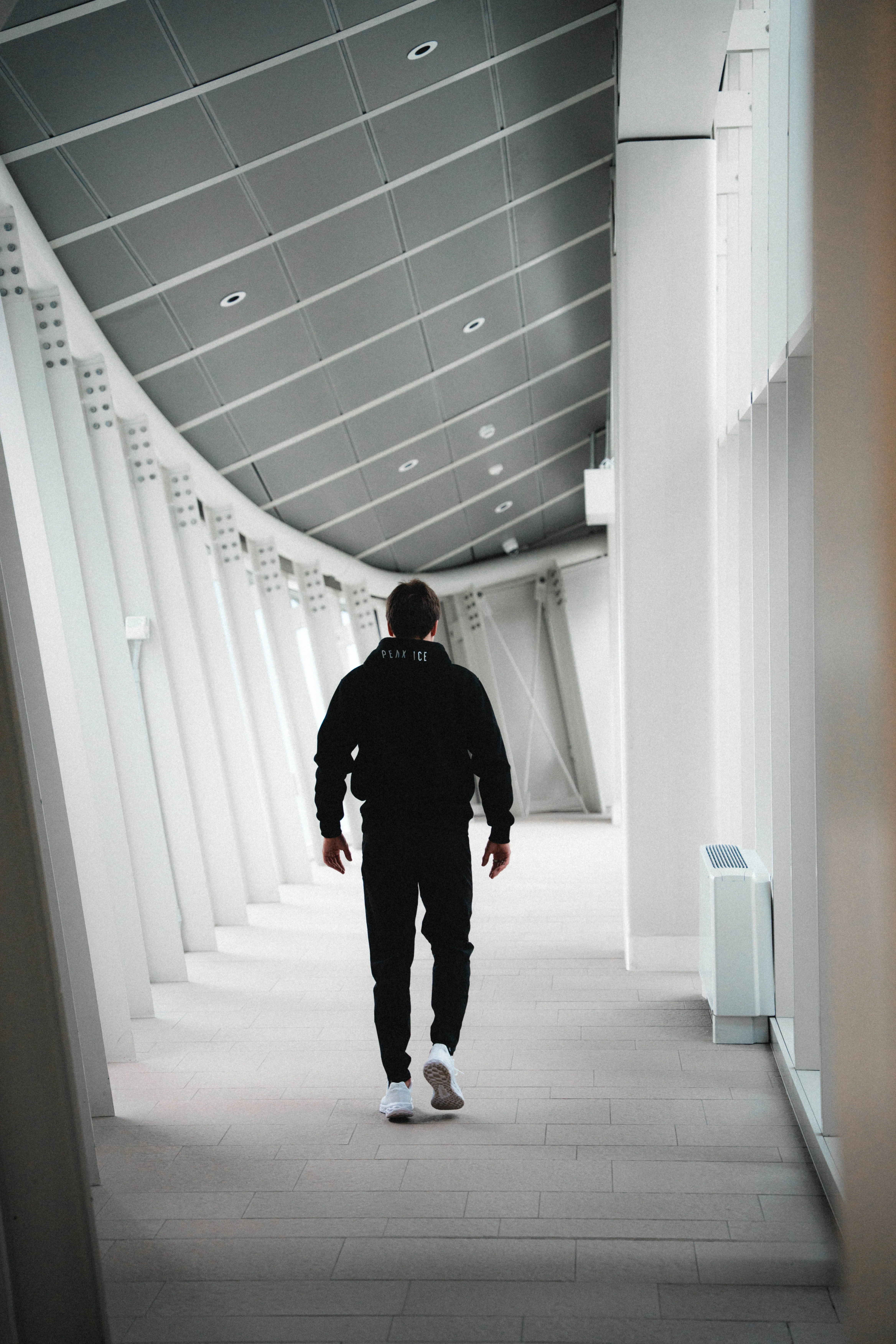
VULNERABILITY
In the months that followed, I found that skating became more than performance — it became a place of healing. When I step on the ice, I don't just skate; I connect, I remember, and I breathe. Skating is where strength meets vulnerability — on the ice and beyond. Every performance tells a story of training, focus, and courage, but it's the moments off the ice that often define us most. It's the early mornings and long hours of practice, the setbacks we face, the injuries we overcome, and the doubts we wrestle with. It's the emotions we carry, the losses we weather, and the resilience we build that shape not just an athlete, but a person.
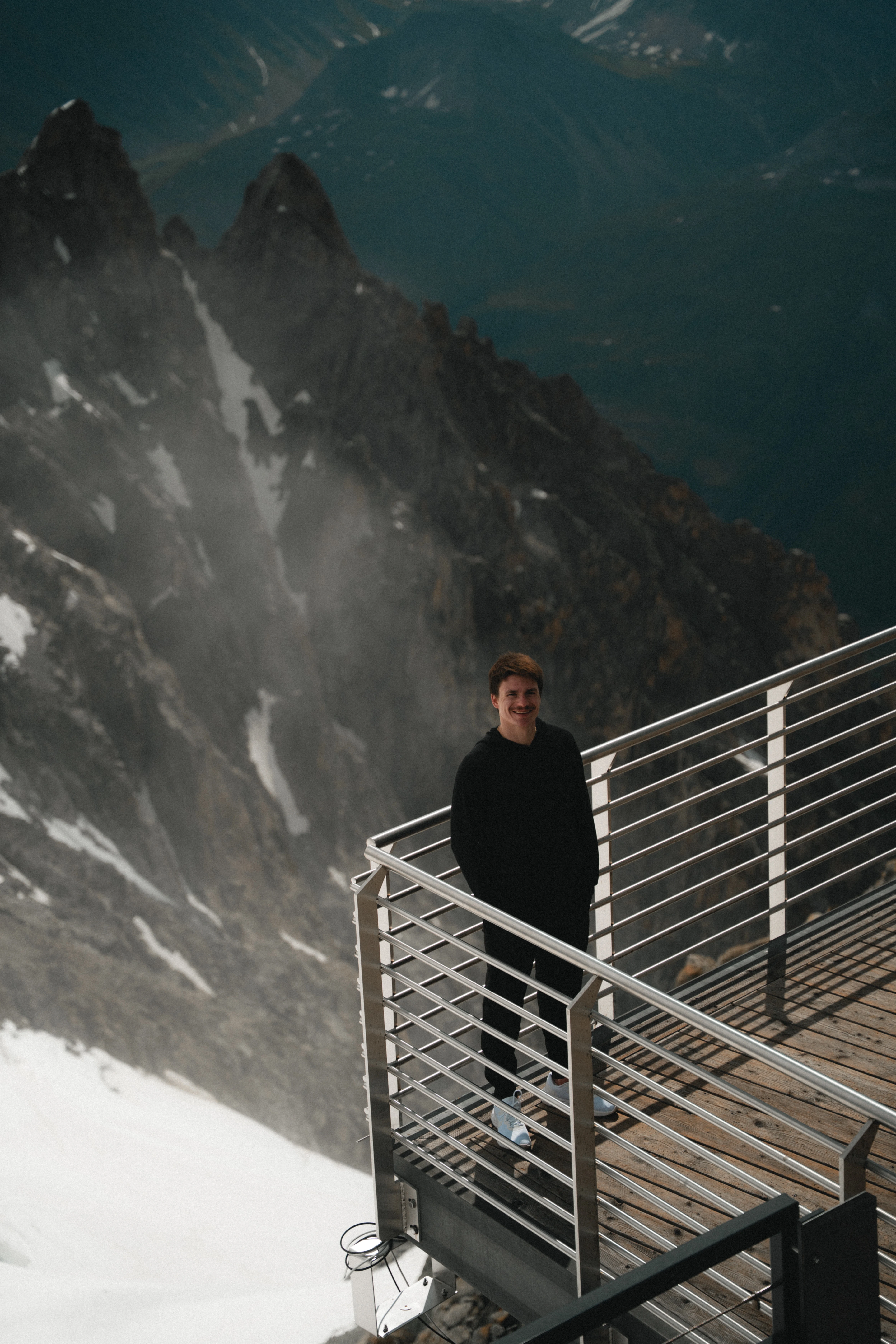
SAFETY
For me, skating has always been more than technical skill. It's a way to process life's challenges, a space where discipline meets reflection, and passion meets perseverance. It has taught me that vulnerability is not weakness — it's a necessary part of growth. Showing up, even when we feel uncertain, when grief or pressure weighs heavy, or when the world expects us to be perfect, is where true strength is forged. Skating also teaches the importance of feeling safe — physically, emotionally, and mentally. Safety is what allows us to take risks, try new things, and push ourselves beyond what we thought possible. It comes from having coaches, mentors, and teammates who guide with care, from environments where support is as important as skill, and from knowing that it's okay to ask for help. That sense of safety creates the foundation for resilience, confidence, and growth.

STRENGTH
True strength emerges when we balance courage with care — when we challenge ourselves while honoring our limits, and when we strive for excellence while protecting our well-being. Every breath is a reminder that growth flourishes in spaces where safety and support are present. It's in that balance that vulnerability transforms into confidence, and pressure becomes purpose. On the ice and beyond, I carry this lesson with me: courage is not just about performing perfectly, it's about knowing you are supported, cared for, and safe as you reach for your dreams. That is where real strength begins.

SUPPORT
Mental health isn't separate from athletics. It's part of every athlete's journey — the joys, the setbacks, the pressure to perform, the quiet battles no one sees. It's about support, awareness, and community — knowing you're not alone in your thoughts or your struggles. Young skaters today face expectations — on the ice, in competition, and in life. They need strength and support. They need places where it's okay to talk about how they feel, where questions about anxiety, grief, and pressure aren't dismissed, but heard. That's why I'm passionate about mental health awareness and wellness. Because the heart of sport — and life — isn't just performance. It's connection. It's care.
SHOP WITH PURPOSE
STAY UPDATED
Sign up to be the first to find out about upcoming competitions, shows, and community announcements. We respect your privacy and will never share your information with any third-party vendors.